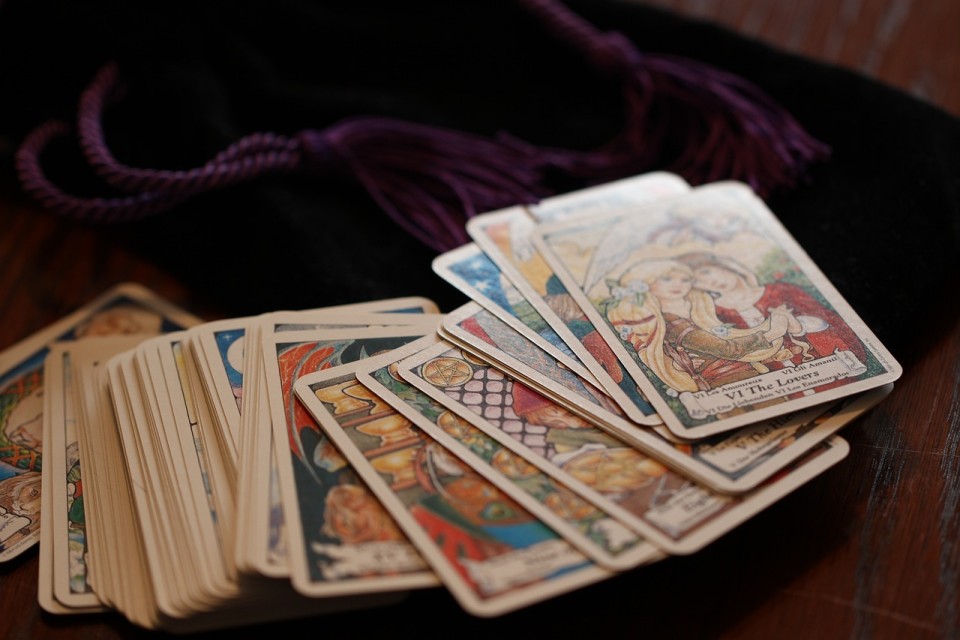
Tarot Reading Guide: The Mysterious World of Cards
Tarot cards have been regarded as a mysterious gateway to people's subconscious for centuries. This ancient symbol system, dating back to medieval Europe, is a powerful tool not only for exploring the future but also for understanding oneself. In this comprehensive guide, you will learn the basic structure of the tarot, the meanings of the cards, and correct reading techniques.
History and Origins of the Tarot
Although the origins of tarot cards are still debated, the oldest known tarot decks date back to 15th century Italy. Originally a card game played among aristocratic circles, the tarot gradually gained a mystical and esoteric meaning. In the 18th century, French occultists associated tarot cards with Kabbalah, numerology, and astrology, laying the foundations for the modern tarot tradition.
The most widely used deck today is the Rider-Waite deck, designed by Arthur Edward Waite in 1909 and brought to life with Pamela Colman Smith's illustrations. This deck is an ideal starting point for those beginning to learn tarot due to its symbolic richness and accessibility.
Major Arcana: The Soul's Great Journey
22 of the 78 cards in the tarot deck make up the Major Arcana (Great Secrets) group. These cards symbolize a spiritual journey from the Fool numbered 0 to the World numbered 21. Each card represents one of life's universal themes and, when it appears in a reading, indicates powerful and transformative energies.
- The Fool (0): New beginnings, pure potential, free spirit. The courage to leap into the unknown.
- The Magician (I): Willpower, skill, creativity. The ability to skillfully use the resources you have.
- The High Priestess (II): Intuition, mystery, subconscious wisdom. Time to listen to your inner voice.
- The Empress (III): Abundance, fertility, connection with nature. The flow of creative energy.
- The Tower (XVI): Sudden change, destruction, and reconstruction. The collapse of old structures.
- The Star (XVII): Hope, inspiration, healing. The light that comes after the dark night.
- The World (XXI): Completion, integration, closure of the cycle. Success and fulfillment.
When Major Arcana cards are dominant in a reading, it indicates that significant turning points and spiritual transformations are taking place in a person's life.
Minor Arcana: Reflections of Daily Life
The remaining 56 cards make up the Minor Arcana (Lesser Secrets) group and are divided into four suits. Each suit is associated with an element and represents a different dimension of life.
Wands (Fire Element)
Represents passion, creativity, energy, and willpower. Appears in matters related to career projects, entrepreneurship, and personal motivation. Wand cards say it's time to take action.
Cups (Water Element)
Reflects emotions, relationships, intuition, and spiritual connections. Offers guidance on matters of love, friendship, family, and emotional well-being. Cup cards emphasize the importance of listening to the voice of the heart.
Swords (Air Element)
Deals with mental processes, communication, conflict, and the discovery of truth. Carries themes of thoughts, ideas, and facing difficult decisions. Sword cards sometimes show painful but necessary truths.
Pentacles (Earth Element)
Represents the material world, finance, health, and tangible results. Guides on matters of business, investments, and physical security. Pentacle cards suggest practical and realistic approaches.
Basic Tarot Spreads
A tarot reading is based on placing the cards in a specific order and interpreting them in relation to each other. Here are the most commonly used spreads:
Single Card Draw: The simplest method for daily guidance. You can learn the energy of the day by drawing a card in the morning. It is an ideal practice method for beginners.
Three Card Spread: Used in the Past-Present-Future format, this spread is perfect for understanding the evolution of a situation. Alternatively, it can also be interpreted as Mind-Body-Spirit or Situation-Action-Result.
Celtic Cross Spread: This comprehensive ten-card spread analyzes all dimensions of a problem in depth. It includes layers such as the current situation, obstacles, subconscious influences, past foundations, possible future, and ultimate outcome. It is a preferred method for experienced readers.
Tips for Accurate Tarot Readings
A tarot reading requires both technical knowledge and an intuitive connection. Here are suggestions for more in-depth readings:
- Define your intention: Clearly formulate your question before shuffling the cards. Open-ended questions produce richer answers.
- Create a calm environment: Rituals such as meditation, candle lighting, or incense use help you focus mentally.
- Read the cards as a whole: Instead of getting hung up on individual card meanings, focus on the relationships between the cards and the overall story.
- Trust your intuition: The meanings in the books are guiding; if a card gives you a different message, listen to it.
- Keep a journal: Record each reading and compare the results over time. This is the most effective way to improve your tarot skills.
Tarot should be seen not as a tool that accurately predicts the future, but as a mirror that allows you to access the wisdom of your subconscious. The cards offer you options and possibilities; you always make the final decisions. With the Felek application, you can make your daily tarot draws and receive personalized interpretations.
```Discover Your Destiny with Felek
Download the Felek app for personalized astrological guidance.
Download App